
Reader's Choice #1 Best Funeral Service

What Is a Certified Celebrant? Creating Meaningful, Personalized Services
Kevin Bean • January 24, 2026
Last month, I helped a family plan a service for a man whose greatest passion was fishing. Instead of traditional flower arrangements, we placed tackle boxes on every table. The guest book was a fishing journal where people shared their favorite memories of trips with him. His grandsons wore their fishing vests as they spoke about what Grandpa taught them on the lake.
It was perfect—because it was him.
That's what a celebration of life can be when it's guided by someone trained to capture who a person really was. And increasingly, that "someone" is a certified celebrant.
If you've never heard that term, you're not alone. When families come to us at Bean Funeral Homes, many don't realize this option exists. But once they understand what a celebrant does, they often find it's exactly what they've been looking for.
What Exactly Is a Certified Celebrant?
A certified celebrant is a professional trained specifically to craft and conduct ceremonies that resonate—funerals, memorials, celebrations of life, and other significant occasions.
Unlike religious leaders, who often adhere to established traditions and liturgical practices, celebrants build ceremonies from the ground up, drawing solely from the individual being commemorated and the family's desires. Religious components can certainly be incorporated if desired, but they're not a requirement. The primary goal is to tell the unique story of the person's life.
Celebrants are trained in:
- Interviewing families to gather meaningful stories and memories
- Structuring ceremonies that flow naturally and honor the person
- Writing and delivering personalized tributes
- Incorporating music, readings, poetry, and multimedia
- Creating meaningful rituals that bring families together
- Supporting grieving families with compassion and professionalism
At Bean Funeral Homes, we're proud to have certified celebrants on our team, myself included. We've discovered that this service addresses a genuine need for families in Berks County, and I'd like to share my thoughts on the matter.
Why Families Choose Celebrant-Led Services
When There's No Religious Affiliation
The fastest-growing religious demographic in America is "none"—people who don't identify with any particular faith tradition. According to Pew Research, about 30% of Americans now fall into this category.
For these families, the question becomes: who leads the funeral? A traditional religious service doesn't feel authentic. But they still want something meaningful—something more than simply gathering to remember.
A celebrant provides that. We create a ceremony that honors your loved one's life, values, and personality without requiring religious belief. If the person found meaning in nature, community service, family, art, music, or anything else—we build the ceremony around what actually mattered to them.
When Families Want Something Personal
Even families with strong religious connections sometimes want something more personalized than a standard service allows. They want Dad's favorite jokes shared. They want Mom's famous chocolate chip cookies mentioned. They want the person's quirks and habits and the small details that made them them.
A celebrant weaves these personal elements into a cohesive ceremony. We might work alongside your clergy—handling the personal tribute portion while they provide religious rites—or we might lead the entire service ourselves. It depends on what the family wants.
When Religious Backgrounds Are Mixed
In today's families, it's common for people to come from different faith traditions—or for the deceased to have held different beliefs than their surviving family members. These situations can make planning a traditional religious service complicated.
A celebrant can create a ceremony that respects everyone's perspectives without privileging one tradition over another. We focus on the universal themes of love, memory, and connection that bring people together regardless of belief.
When You Want a True "Celebration of Life"
The phrase "celebration of life" gets used a lot, but not every memorial service actually feels like one. Some families come to us saying, "We want to celebrate, not mourn"—they want laughter mixed with tears, they want stories and music and meaning.
A celebrant-led celebration of life ceremony is designed to do exactly that. We help families shift the focus from death to life, from loss to legacy, from sorrow to gratitude for having known this person.
How the Celebrant Process Works at Bean Funeral Homes
When you choose to work with one of our celebrants, here's what you can expect:
Family Time Session
This is where the magic happens. I'll sit down with family members and close friends—usually for an hour or two—and simply listen. I ask questions like:
- What made this person unique?
- What would they want people to remember about them?
- What stories do you find yourselves telling over and over?
- What were their passions, habits, and quirks?
- Is there a particular song, poem, or reading that captures who they were?
- How did they affect the lives of people around them?
This conversation often brings tears and laughter in equal measure. Families tell me it's therapeutic in itself—a chance to remember together, to say out loud the things that made their person special.
Ceremony Creation
Based on our conversation, I'll craft a ceremony from scratch. This typically includes:
- An opening that sets the tone and welcomes everyone
- A life tribute that tells the person's story—not a generic overview, but the real details that made them who they were
- Personal elements like readings, poems, music, or photo slideshows. If family members or friends want to speak, we coordinate how their words fit into the larger ceremony
- Meaningful rituals if appropriate—lighting candles, releasing butterflies, sharing a toast, or any tradition that holds meaning for the family
- A closing that sends people out with comfort and hope
Before the service, I share the ceremony script with the family so they can request any changes or additions.
The Service Itself
On the day of the service, I lead the ceremony with warmth and professionalism. My goal is to make sure every person in attendance feels the presence of the one you've lost—not as a distant memory, but as someone who touched lives and will continue to be remembered.
Examples of Celebrant-Led Ceremonies
To give you a sense of what's possible, here are a few ceremonies I've been privileged to create (with details changed to protect privacy):
- For a retired teacher: The ceremony was structured like one of her favorite class lessons, with different "periods" devoted to different aspects of her life. Former students shared what they'd learned from her. We displayed her "Teacher of the Year" awards alongside notes students had written her decades ago.
- For a motorcycle enthusiast: Family and friends arrived to the sound of motorcycle engines. We played songs from his favorite road trip playlist. His riding buddies each shared a story about adventures on the open road. The service ended with a motorcycle escort to the cemetery.
- For a grandmother: We turned the service into a recipe swap, because cooking was how she showed love. Attendees shared recipe cards as they shared memories. We served her famous pound cake at the reception. The ceremony focused on how food brings families together—just as she had.
- For a veteran and family man: We incorporated military honors alongside personal stories about his life as a father and grandfather. His children spoke about fishing trips and advice he'd given. We honored both his service and his tenderness.
Every ceremony is different because every person is different. That's the whole point.
Celebrants and Religious Services: Working Together
I want to be clear: choosing a celebrant doesn't mean excluding religion from the service. In fact, celebrants often work alongside clergy.
Here's one common approach: the clergy member handles the religious elements—prayers, scripture readings, sacraments, committal—while the celebrant handles the personal tribute. This gives families the best of both worlds: the comfort of religious tradition plus a deeply personalized remembrance.
If you're planning services at a church, we coordinate with your clergy to ensure everything fits together smoothly. If you're having services at our funeral home, we can help connect you with clergy if desired.
Is a Celebrant Right for Your Family?
Consider choosing a celebrant if:
- You're not affiliated with a religious institution, or the deceased wasn't
- You want a service focused on the person's unique story and personality
- Your family comes from mixed religious backgrounds
- You want a "celebration of life" that truly feels like a celebration
- You want a service that includes religious elements but isn't led by clergy
- You want help designing rituals or elements that hold personal meaning
Consider a traditional clergy-led service if:
- Religious tradition and liturgy are central to what gives the family comfort
- The deceased was active in their faith community and would want that community to lead
- You want a service that follows a familiar religious structure
And remember: you don't have to choose one or the other. Many of the most meaningful services I've witnessed combine celebrant personalization with religious tradition.
Our Celebrant Team
At Bean Funeral Homes, we're proud to have trained certified celebrants on staff, including myself and Joseph G. McCullough, our supervisor at the Exeter Township location. We've completed specialized training and are passionate about creating ceremonies that honor unique lives.
We also offer modern capabilities like live streaming and multimedia tributes for families with members who can't attend in person.
Let's Talk About What You're Envisioning
If you're planning a service for someone you've lost—or if you're thinking ahead about your own wishes—I'd love to talk with you about what a celebrant-led ceremony might look like.
There's no pressure and no obligation. Sometimes families just want to understand their options, and that's reason enough to reach out.
You can call us at (610) 376-1129, contact us online, or stop by any of our four Berks County locations. A member of our team is available 24/7.
Every life story deserves to be told. Let us help you tell it.
Summary
Unlike clergy, who adhere to established religious practices, a certified celebrant crafts and conducts bespoke funeral, memorial, or celebration of life ceremonies, all designed to reflect the individual life of the person who has passed. These celebrants build custom tributes, drawing on the family's recollections and preferences. Kevin M. Bean, the owner of Bean Funeral Homes in Reading, PA, a licensed establishment since 1982, notes that his staff includes certified celebrants. They hold "Family Time" sessions, during which they collect stories and then create ceremonies incorporating music, poetry, and other personal elements. The celebrant services offered by Bean Funeral Homes are particularly beneficial for families who aren't religious, interfaith couples, or anyone seeking a deeply personalized tribute.
FAQ
What training do certified celebrants receive?
Certified celebrants complete specialized training programs that cover ceremony creation, interviewing techniques, writing personalized tributes, public speaking, and supporting grieving families. The certification ensures celebrants have the skills to create meaningful, professional ceremonies.
How much does a celebrant-led service cost?
Celebrant services are typically included in our service packages or available as an add-on. The cost is comparable to what you might pay an officiant. We're happy to discuss specific pricing during your consultation.
Can a celebrant lead a service at a church or other venue?
Yes, celebrants can lead services at funeral homes, churches, outdoor locations, or any meaningful venue. When services are held at a religious venue, we coordinate with the clergy and staff to ensure everything runs smoothly.
How long does a celebrant-led ceremony typically last?
Most ceremonies run 30-45 minutes, though they can be shorter or longer depending on the family's wishes. We design the ceremony to feel complete without feeling rushed or drawn out.
What if family members want to speak at the service?
We welcome family participation. The celebrant can help coordinate speakers, suggest appropriate length and placement within the ceremony, and even help nervous family members prepare their remarks.

Two decades back, roughly a quarter of the families I assisted opted for cremation. Now, that figure hovers around fifty percent. The Cremation Association of North America indicates that, across the country, cremation is now the choice in almost 60% of cases. This evolution mirrors a broader transformation in how we view death and memorialization. Increasingly, families are discovering that cremation suits their needs, whether driven by environmental concerns, budgetary constraints, the desire for more flexible memorial options, or just their own personal choices. Yet, this rise in popularity has also sparked a number of questions. Many families, when faced with cremation for the first time, find themselves uncertain about the specifics. They seek clarity on the procedure, the timeframe, and how to guarantee their loved one's respectful treatment throughout. These are entirely reasonable concerns, and I'm pleased to see families seeking answers. Allow me to share insights gleaned from my forty years in this field.
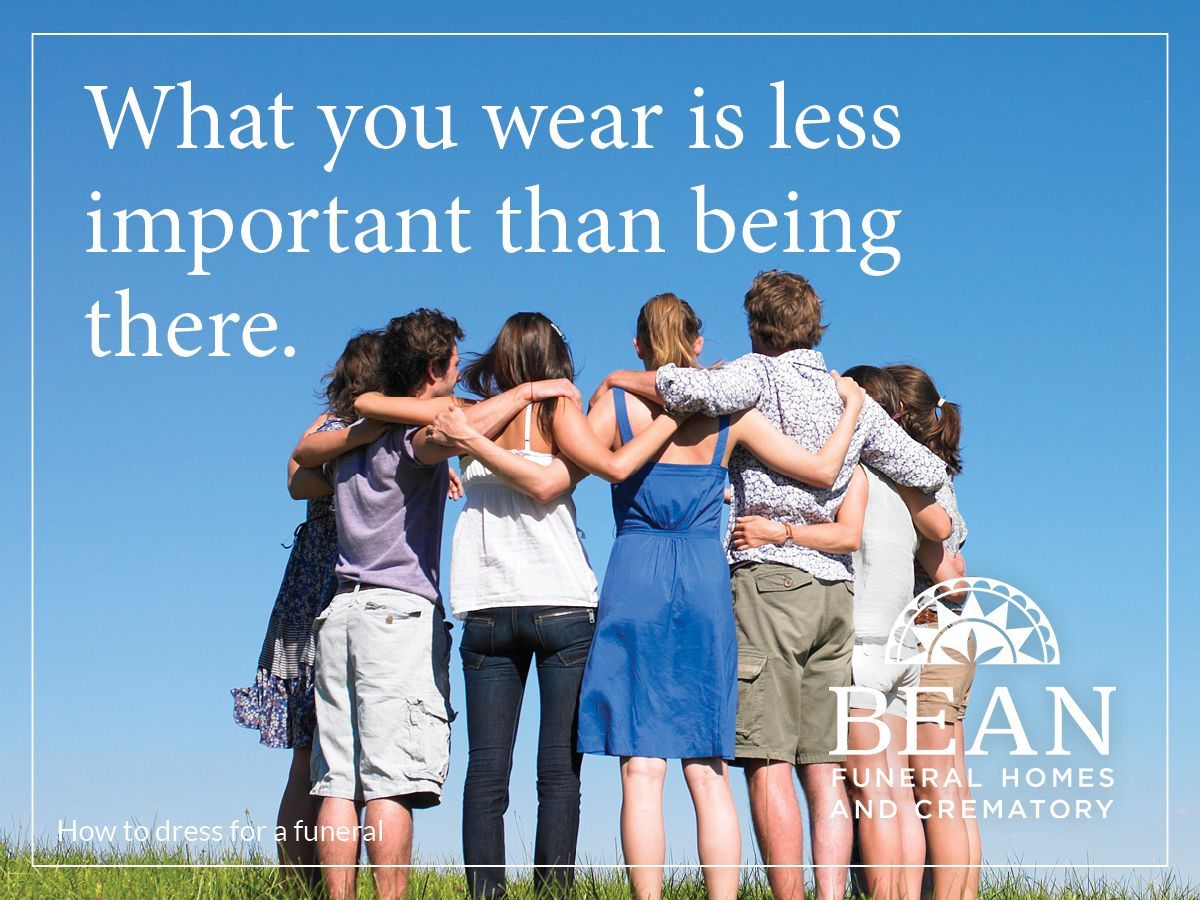
First, understand that what you wear to the funeral is much less important than actually going to the funeral or gathering. Don’t underestimate the value of your presence.
Say goodbye with love and care. Our comforting cremation services help families create peaceful, heartfelt farewells that honor cherished memories.
Today, there was a funeral. People cried. Tissues were crumpled and left on the tables. Flower petals fell to the floor. Now, the cleaning staff is making things tidy for the family who will be here tomorrow.

Learn how Bean Funeral Homes offers compassionate cremation services, honoring loved ones with personalized care, support, and meaningful farewell options.

Honor your loved one with dignity. Our trusted funeral home services provide compassionate support and meaningful farewells with care and respect.

Honor your loved ones with heartfelt cremation and memorial events. Celebrate their life with meaningful gatherings and cherished memories.
Find comfort in our compassionate funeral services. We guide you with care, ensuring a heartfelt farewell that honors your loved one's memory.